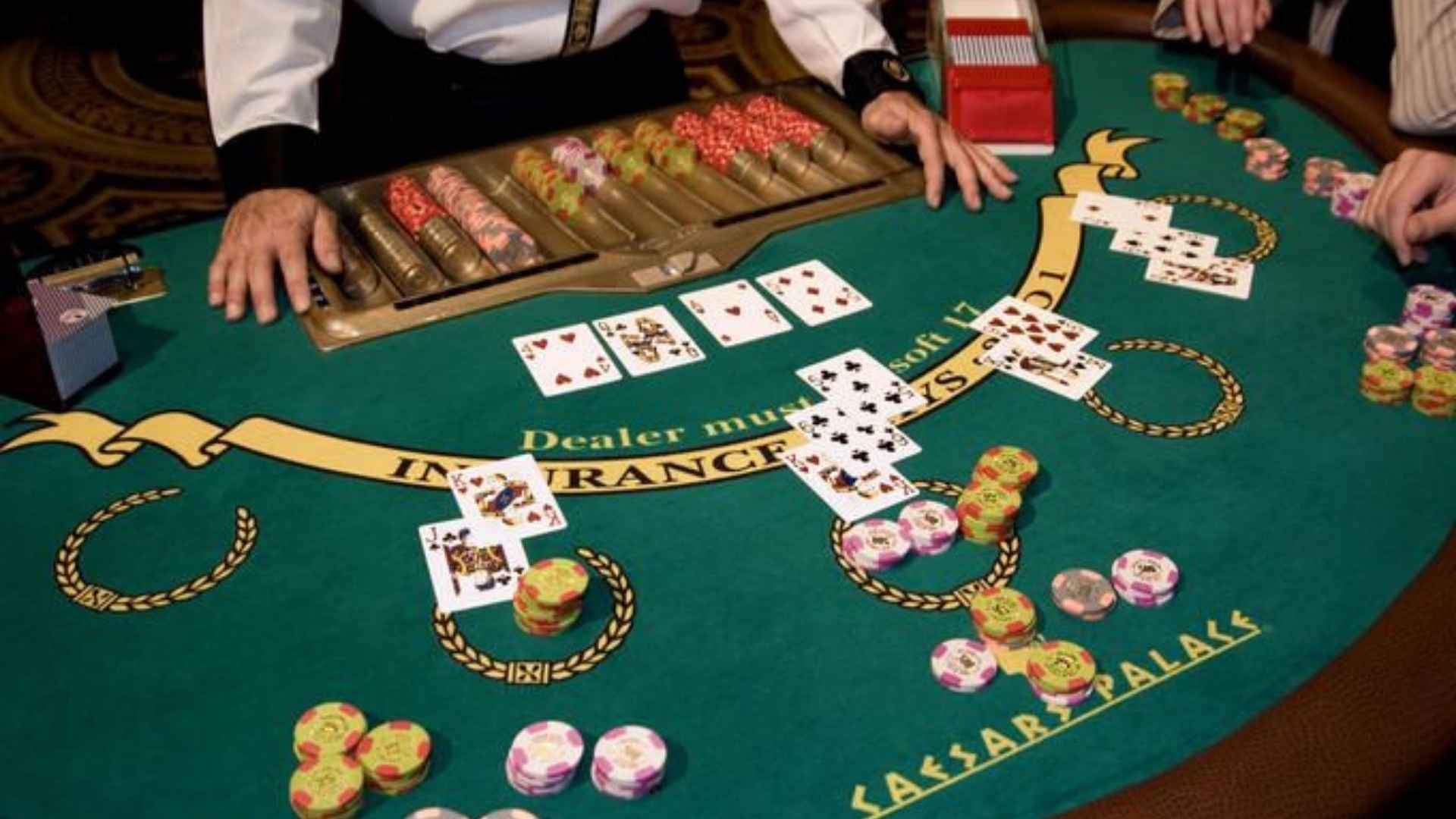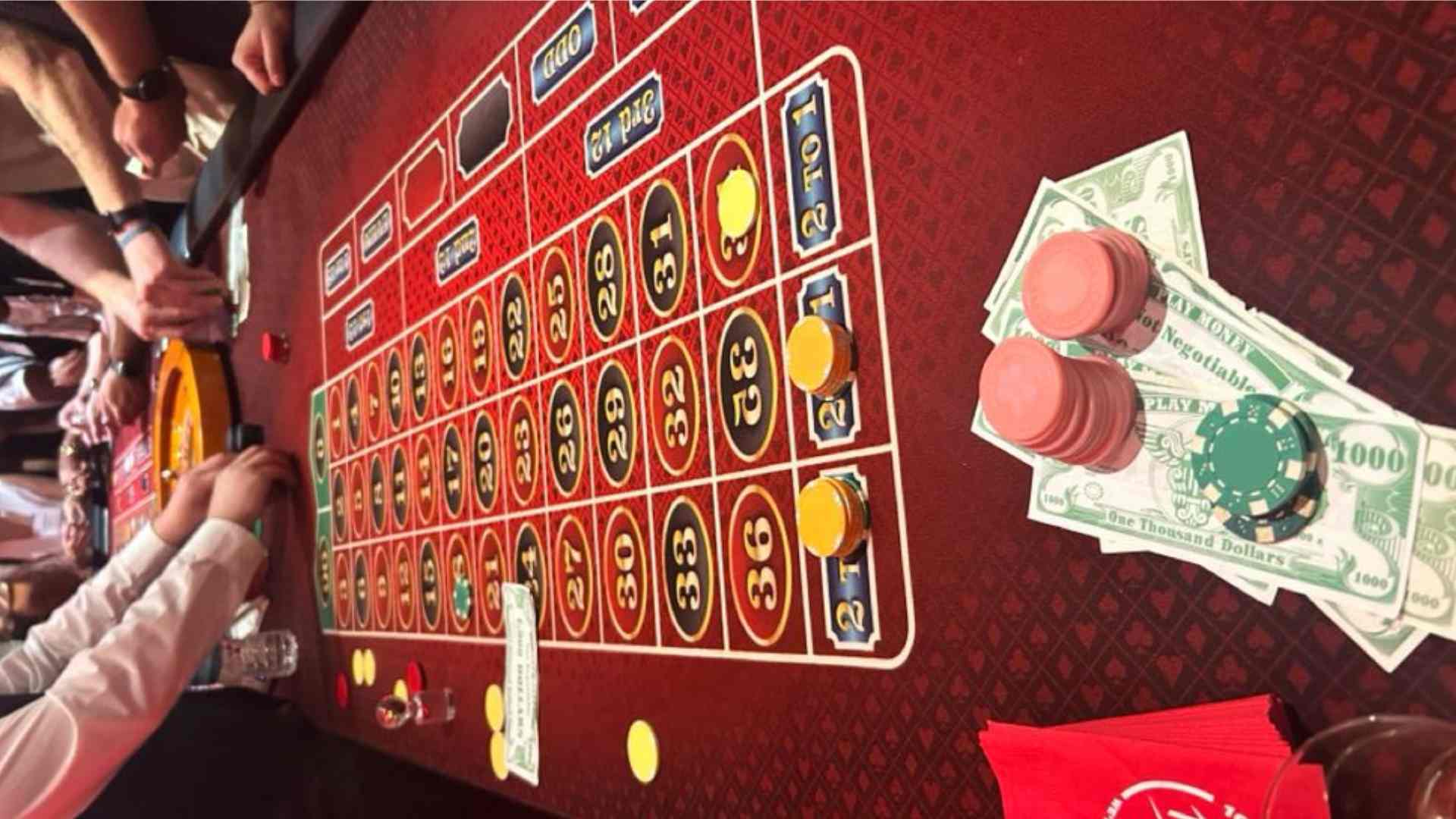
In competitive card games, players often obsess over reading physical behaviors to gain an edge over their opponents. While physical cues can occasionally provide valuable hints, treating every minor movement as a meaningful revelation is a common trap. Understanding why not every poker tell deserves your attention is essential for developing a sound and resilient strategy.
The Noise Ratio in Physical Observations
Human beings naturally display countless unconscious behaviors that have absolutely nothing to do with their cards. A player might adjust their posture simply because they are uncomfortable or check their watch out of genuine fatigue. Attempting to assign deep strategic meaning to every twitch often leads to false conclusions and miscalculated bets.
Focusing excessively on minor physical details creates cognitive overload that distracts from fundamental strategy. When you spend too much energy monitoring eye movements, you risk missing critical mathematical data like pot odds and stack sizes. Balancing observation with core strategic principles ensures you make decisions based on solid information rather than pure speculation.
The Danger of Intentional Deception
Experienced competitors actively exploit the tendency of opponents to hunt for physical giveaways. Deceptive players frequently manufacture artificial behaviors, such as acting weak when holding a monster hand or showing false confidence during a bluff. Falling for these reverse tells directly plays into your opponent's strategy.
Rather than relying on subtle body language, focusing on clear betting patterns offers a much more reliable indicator of strength. Strategic players who practice through an m88 login mobile platform often learn to prioritize action sequences over visual noise. Tracking how opponents wager across multiple streets yields consistent data that cannot be easily faked.
Noise Versus Signal in Behavioral Analysis
Differentiating meaningful signals from irrelevant noise requires establishing a reliable baseline for each opponent. A physical habit only becomes a genuine tell if it consistently correlates with specific hand strengths across multiple showdowns. Without a significant sample size, jumping to conclusions based on a single observation is highly risky.
Furthermore, emotional variance introduces unpredictable noise into physical behavior. A player's elevated heart rate might stem from nervousness rather than holding a winning hand. Treating unverified observations as definitive proof exposes your strategy to unnecessary variance and costly mistakes.
Prioritizing Fundamentals Over Visual Clues
The foundation of long-term success at the table lies in solid mathematical and positional understanding. Overemphasizing opponent tells causes players to abandon proven tactical principles in favor of speculative guesses. Grounding your decisions in pot odds, range analysis, and position always provides a safer framework.
Physical reads should only serve as a secondary tie-breaker in close decision-making scenarios. When the mathematical play is clear, visual observations should never override sound logic. By filtering out irrelevant behavioral noise, you can maintain sharp focus on the factors that truly dictate long-term profitability.