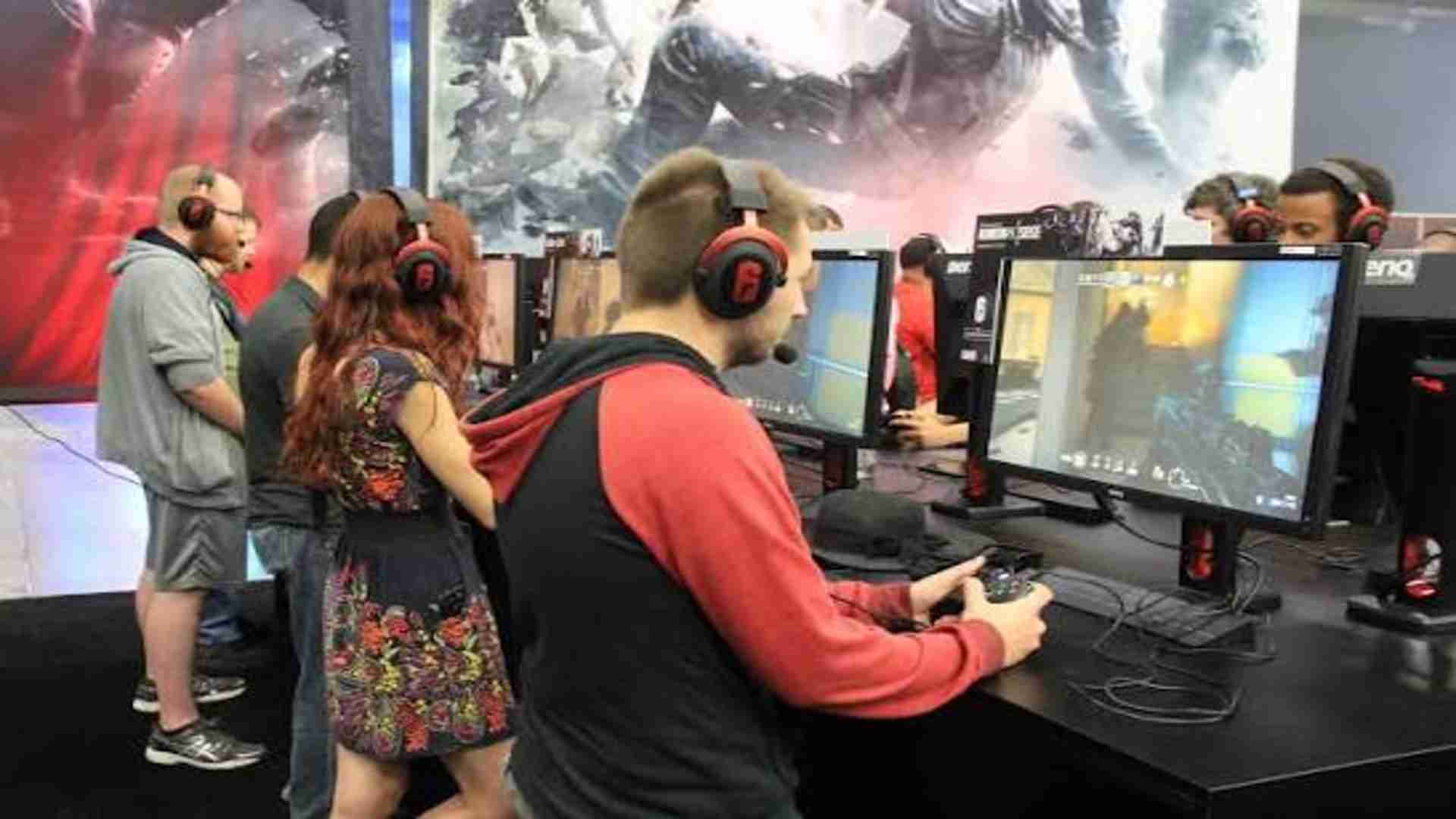
The rise of complex digital battlegrounds has transformed modern gaming from a simple hobby into a sophisticated arena for team coordination. Today, successfully guiding a squad to victory requires much more than quick reflexes or mechanical accuracy. Players must cultivate real-time management abilities to navigate high-stakes scenarios and changing match dynamics effectively.
The Core Elements of Virtual Command
In competitive environments, a successful coordinator must establish clear communication channels before the match begins. Assessing the collective strengths of your squad allows for better role assignment and strategy execution. Teams that establish unified goals early on consistently perform better under pressure.
Furthermore, maintaining operational awareness during chaotic encounters is essential for real-time adjustments. Leaders must monitor the positions of both teammates and adversaries to make informed tactical decisions. This high level of situational oversight prevents costly mistakes and maximizes team efficiency.
Developing Strategic Decision-Making Skills
Making rapid decisions under intense time constraints is a defining trait of effective digital commanders. When unexpected obstacles alter the initial plan, leaders must instantly pivot to alternative solutions. Evaluating risks while maintaining group focus keeps the squad synchronized and prepared for sudden shifts.
To test these coordination principles and explore diverse interactive environments, enthusiasts can check out the latest options at M88 Bet for online activities. Engaging with modern gaming platforms offers valuable spaces to observe group mechanics and tactical planning in action. Refining these quick-thinking skills ultimately translates to better cooperative performance across various high-pressure landscapes.
Fostering Synergy and Trust Among Teammates
True operational success relies heavily on mutual trust and clear understanding among all squad members. A competent commander encourages collaborative input while ensuring that the final execution remains structured. Recognizing individual contributions helps maintain high morale and long-term group cohesion.
Additionally, managing internal friction calmly during intense competitive losses prevents team fragmentation. Constructive feedback delivered after a match helps individuals learn from mistakes without losing their drive. Building a resilient group culture ensures that the squad remains competitive over extended periods.
The Long-Term Impact of Online Guidance
The leadership attributes developed within competitive digital spaces often mirror real-world management frameworks. Modern organizations increasingly recognize the value of individuals who can coordinate distributed groups toward shared objectives. Managing digital squads provides practical experience in delegation, conflict resolution, and strategic planning.
As virtual simulation mechanics become more realistic, the opportunities for personal skill development will expand further. Gamers who master these interpersonal dynamics position themselves as capable organizers in both virtual and professional spheres. Ultimately, the modern virtual arena serves as a powerful proving ground for the next generation of strategic coordinators.