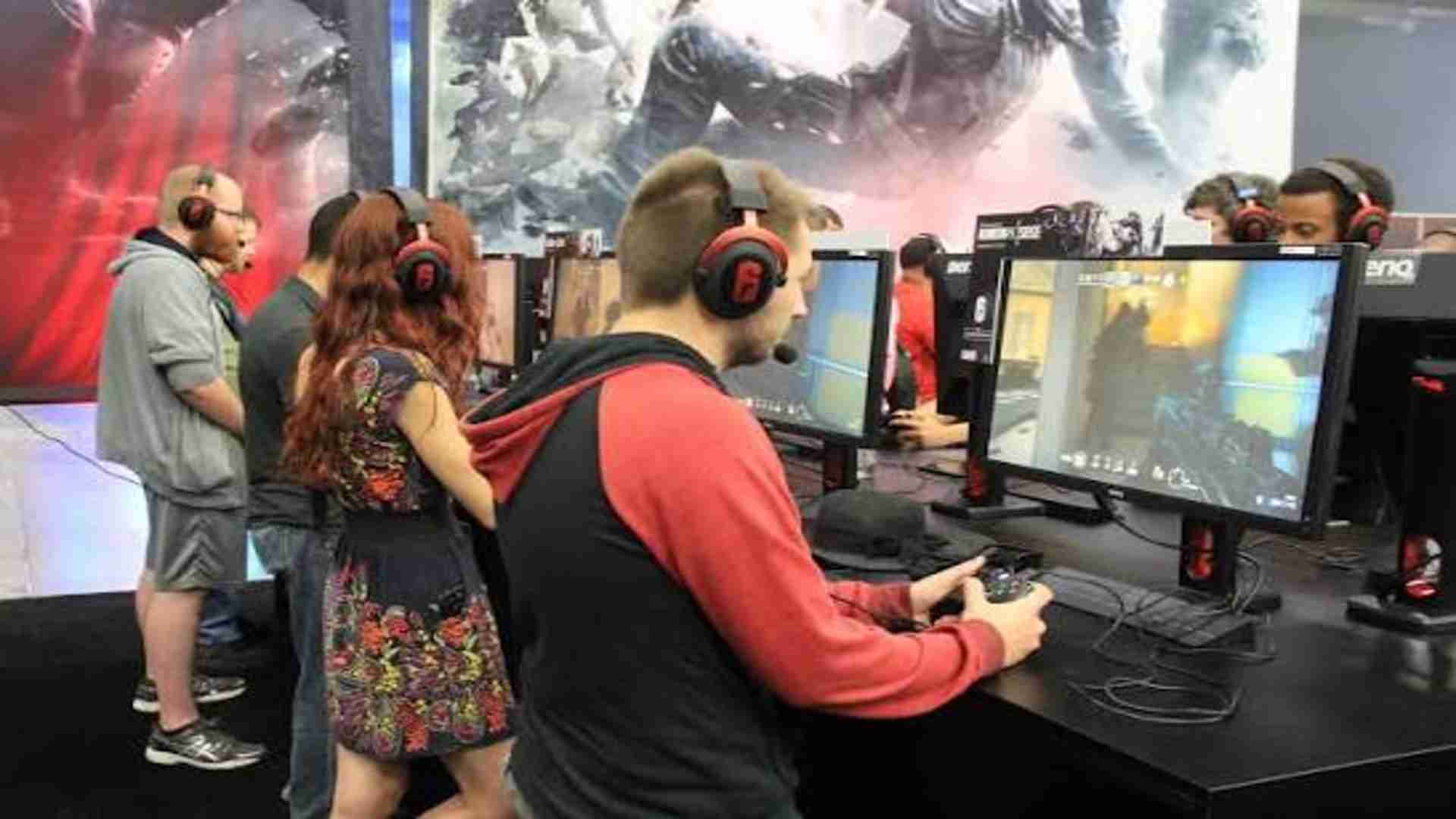
Succeeding in the fast-paced squad matches of Free Fire requires much more than just quick reflexes and a high-tier weapon loadout. While individual gunplay skills can secure single eliminations, long-term survival against seasoned squads depends heavily on deep interpersonal reliance. Embracing mutual support allows a four-player squad to operate as a singular, highly efficient unit on the digital battlefield.
The Psychological Foundation of Squad Coordination
Entering intense firefights without baseline confidence in your allies often leads to hesitation and fatal tactical mistakes. When players know that their teammates are actively covering vulnerable angles, they can focus entirely on executing their designated roles. This collective mental clarity prevents panic during chaotic third-party ambushes and high-pressure circle shifts.
Building this level of assurance requires consistent communication and shared tactical understanding across multiple matches. Squads that cultivate a supportive environment recover faster from early-game setbacks and maintain better emotional control. Over time, this psychological bond becomes a powerful defensive asset that outlasts raw mechanical dexterity.
Optimizing Roles and Sharing Resources Dynamically
A synchronized team thrives when individual responsibilities are clearly defined and accepted by every member. Specialized roles, such as the front-line rusher or the back-line sniper, function best when supported by reliable information from the team leader. When players trust the strategic vision of their shot-caller, execution becomes instantaneous and decisive.
Resource distribution is another critical area where mutual reliance alters the outcome of a match. Sharing high-level armor, medical kits, and Gloo Walls ensuring that the entire squad remains combat-ready rather than just one individual. A balanced loadout across the squad increases overall durability during prolonged endgame confrontations.
Executing Flawless Rotations Under Heavy Pressure
Navigating the shrinking safe zones in Free Fire safely demands absolute faith in your squad's movement blueprint. Effective rotations often require players to move through open areas while their partners provide continuous suppressive fire. Without belief in that covering fire, players are likely to delay their movement and get trapped by the collapsing border.
Coordinated positioning allows the team to control geographic choke points and dictate the tempo of engagements. When entering new territory, squads must rely on their scouts to provide accurate environmental data. Acting instantly on these scouting reports ensures the team secures strong high-ground positions before rival groups arrive.
Learning from Defeat to Build Long Term Consistency
Every match in Free Fire serves as a valuable learning laboratory, especially when a promising run ends in premature elimination. Victorious squads separate themselves by reviewing their tactical errors collectively without shifting blame onto individual players. This constructive approach turns frustrating losses into actionable strategies for future competitive sessions.
Developing unwavering team cohesion is a gradual journey that requires patience, analytical thinking, and deliberate practice. As players continue to sync their playstyles, their split-second choices become naturally aligned. Ultimately, fostering this deep connection transforms a casual group of survivors into a highly formidable competitive force.