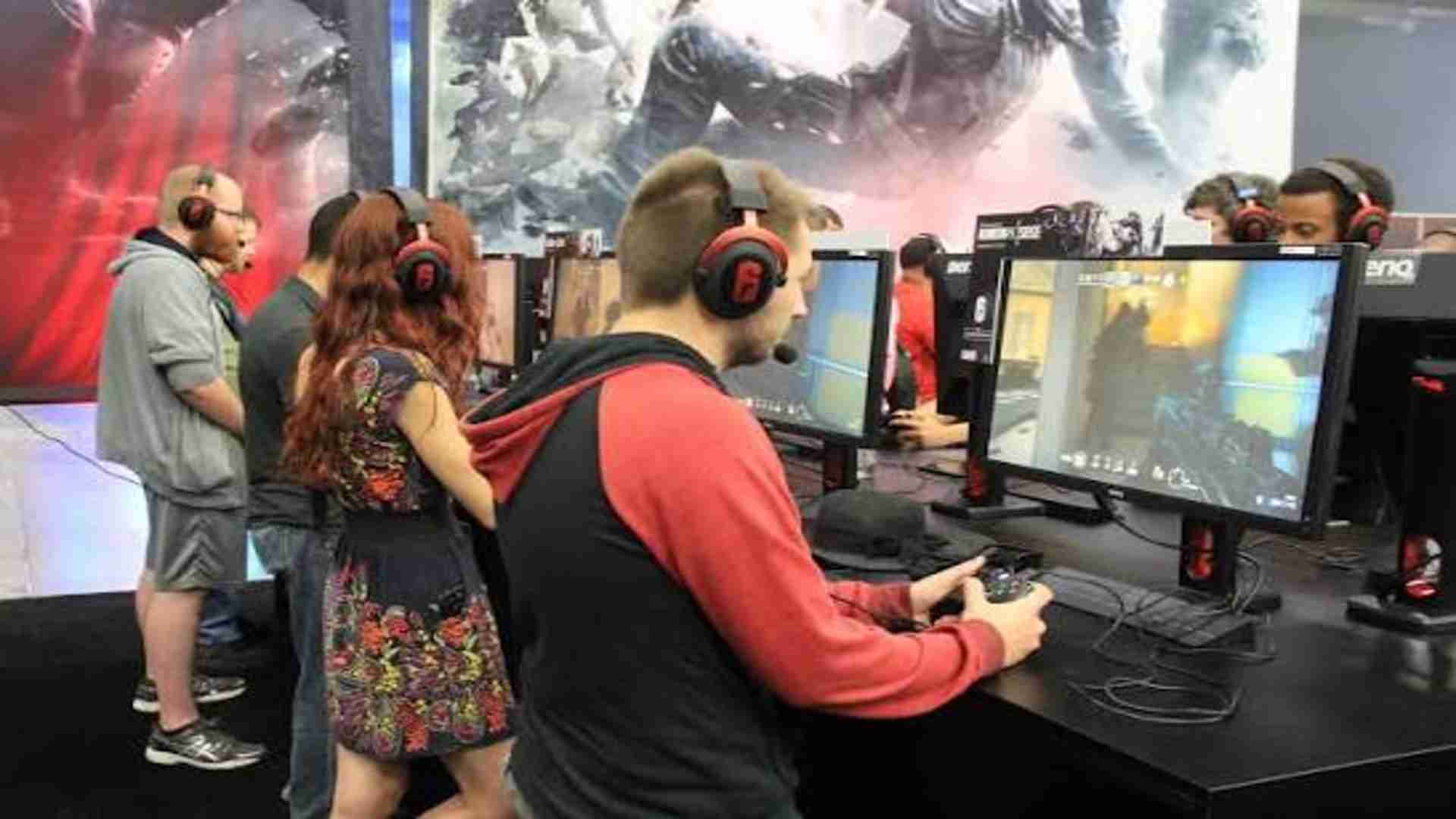
Navigating the zombie-infested quarantine zones of Harran is an exhilarating experience that many players prefer to share with a partner. As open-world survival games continue to dominate the gaming landscape, players frequently look for ways to enjoy cooperative action directly from their living room couch. Understanding the specific multiplayer features available in this survival horror title is essential for setting up the perfect gaming night.
The Status of Local Split Screen
Techland designed the game with a massive focus on seamless parkour movement and fast-paced combat against hordes of aggressive infected. To maintain steady visual performance and render the expansive environment smoothly, the developers did not include an official local split screen option. This means two players cannot share the same monitor or console hardware simultaneously to explore the map together.
Implementing simultaneous viewpoint rendering on a single machine presents severe technical hurdles for resource-intensive open-world titles. The computational demands required to track independent parkour physics and rendering paths ultimately led to the exclusion of couch co-op functionality. Consequently, traditional horizontal or vertical display splitting is unavailable across all release platforms.
Alternative Cooperative Options Available
While local display division is absent, the game features a highly robust online cooperative system that supports up to four players. Survivors can seamlessly connect via digital networks to tackle story campaigns, side objectives, and custom challenges as a unified squad. This system allows everyone to utilize their full display resolution on their respective setups.
The collaborative mode activates fully after completing the initial introductory prologue, opening up the entire world for exploration with friends. Progress made during these sessions carries over efficiently, ensuring that character growth and item acquisition remain preserved. This network-driven approach provides the definitive way to experience the terrifying night cycles together safely.
Workarounds for Dedicated PC Enthusiasts
Members of the computer modification community have spent years developing external tools to bypass standard technical limitations. Through specialized software layouts, advanced PC users can utilize application mirroring to simulate a localized multiplayer experience on a single powerful rig. These unofficial methods require substantial configuration effort and top-tier hardware to run effectively.
Running multiple distinct instances of the game simultaneously demands massive graphical processing power and custom input mapping setups. While these adjustments can provide a temporary solution for experienced modders, they frequently suffer from stability issues and optimization bugs. Official developer patches do not accommodate these third-party tools, leaving standard network play as the most reliable path.
The Multiplayer Legacy in the Sequel
The desire for shared display functionality remained a frequent topic of discussion among fans leading up to subsequent franchise releases. When the developer launched the massive follow-up adventure, they maintained the same focus on individual rendering pathways and online matchmaking infrastructures. This continuous design philosophy ensures optimal frame rates while exploring densely populated metropolitan environments.
Modern game development frequently prioritizes vast draw distances and intricate environmental detail over shared local processing systems. Players looking to dive into the action should plan around online connections or separate gaming hardware configurations. Gathering your squad through dedicated network lobbies ensures you get the most fluid and immersive zombie survival experience possible.