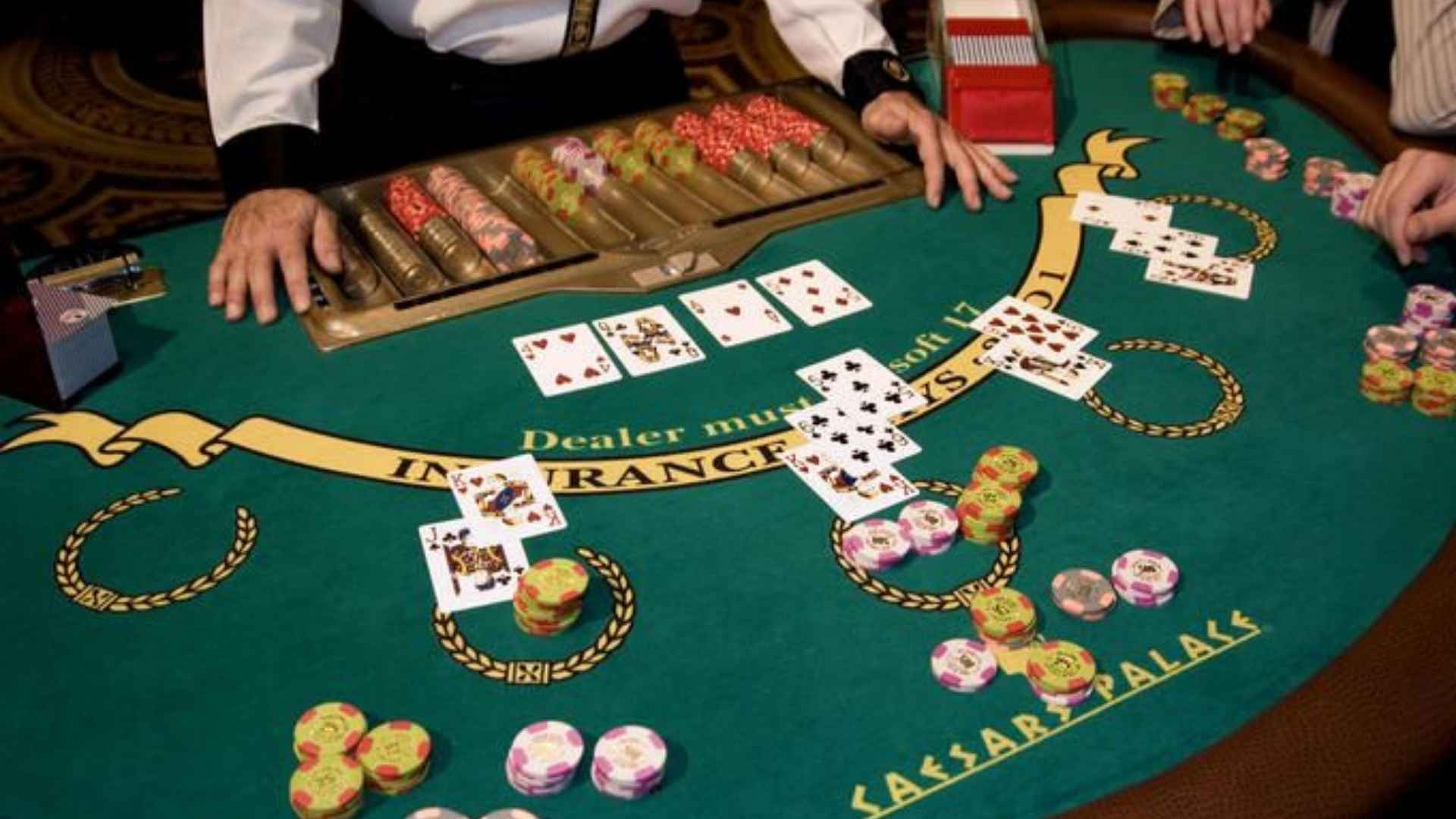
Unlike traditional table games where players compete directly against the house, poker involves individuals competing against each other. Because the venue does not hold a direct financial interest in who wins or loses individual hands, gaming establishments must utilize distinct fee models to generate steady profits. Understanding these revenue streams reveals how poker rooms maintain operating costs while providing a regulated space for competitive play.
The Role of the Rake in Live Cash Games
The primary source of income for any poker room is the rake, which is a small percentage collected from the total pot of each cash game hand. Dealers manually extract this fee before awarding the remaining chips to the winning player based on established room rules. Most card rooms set a maximum cap on the rake to ensure high-stakes games remain fair and attractive to regular players.
In many regulated jurisdictions, operators enforce a strict policy where no rake is taken if the hand ends before a flop is dealt. Players looking for legal platforms and gaming options often visit sites like m88 link to explore various formats and rules. This transparent collection method ensures that operational costs are continuously covered as long as games remain active.
Time Collection and Seat Charges
In higher stakes cash games, taking a percentage out of every pot can disrupt the flow of play and slow down action. To solve this, establishments frequently implement a time-based fee structure instead of a traditional pot rake. Under this arrangement, every player pays a fixed hourly fee directly to the house for reserving their seat at the table.
Time charges streamline the dealing process and allow dealers to handle significantly more hands per hour. This system benefits both serious players and venue management by creating a predictable cost model. Furthermore, it maintains high game integrity since the house remains completely neutral regarding hand outcomes.
Tournament Fees and Entry Surcharges
Poker tournaments represent another major revenue generator for card rooms through administrative entry fees. When a player registers for a tournament, the total buy-in is split between the prize pool and an administrative fee. For example, a tournament entry might be listed as one hundred dollars for the prize pool plus fifteen dollars for the house.
These operational fees cover the costs of tournament staff, floor supervisors, and physical equipment overhead. Because large events attract hundreds or thousands of participants, tournament surcharges generate substantial income over a short timeframe. They also drive secondary foot traffic to nearby hotel amenities, restaurants, and secondary gaming areas.
Indirect Value and Secondary Room Spend
Beyond direct fees, hosting dedicated poker spaces provides significant indirect financial value to larger resort properties. Players spending extended hours in the card room frequently purchase food, beverages, and hospitality services throughout their sessions. This sustained presence creates steady secondary revenue across multiple resort departments.
Additionally, poker rooms serve as a major draw for gaming enthusiasts who might eventually try other casino offerings. By maintaining a clean and professional poker environment, operators build strong brand loyalty among visitors. Ultimately, combining direct rakes with secondary property spending makes poker rooms a vital component of successful gaming venues.