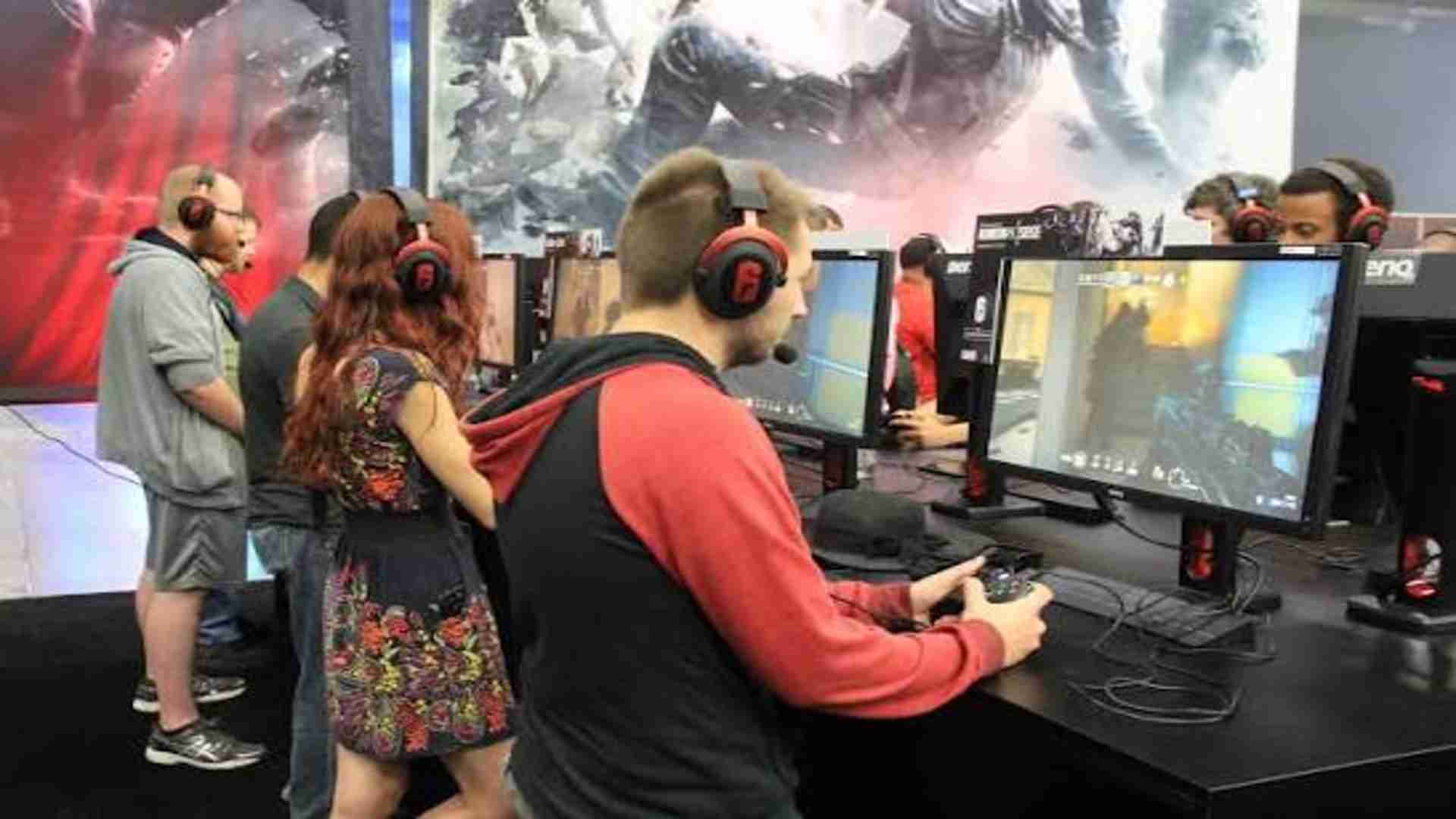
The modern tabletop landscape has shifted significantly as players seek deeper engagement that goes beyond traditional mechanics. Board games that inspire tactical innovation encourage enthusiasts to abandon predictable routines and discover unconventional pathways to victory. These dynamic systems ensure that no two sessions feel identical, prompting a constant evolution of strategies within the gaming community.
The Evolution of Adaptive Tabletop Mechanics
Traditional tabletop systems often relied heavily on fixed setups and linear progression models. In contrast, contemporary designs introduce fluctuating victory conditions and shifting environments that demand real-time problem solving. This unpredictability keeps players deeply immersed as they must continuously pivot their long-term plans to mitigate sudden obstacles.
By integrating modular boards and variable player powers, designers create frameworks that reward creative risk-taking. Enthusiasts are forced to look at resources from entirely new perspectives, discovering synergy between components that originally seemed incompatible. This constant experimentation forms the foundation of modern analytical gameplay and competitive mastery.
How Asymmetric Roles Drive Strategic Depth
Asymmetry plays a critical role in pushing boundaries and breaking standard optimization patterns. When players possess entirely different abilities and objectives, the conventional understanding of balance is completely transformed. This design philosophy forces competitors to thoroughly analyze their opponents' unique motivations while managing their own asymmetric resources.
Navigating these complex player dynamics requires an exceptional level of situational awareness. For individuals looking to discover new digital interfaces or alternative platforms, accessing an authorized M88 link login can offer a streamlined connection to modern systems. Similarly, a well-designed asymmetric board game streamlines complex interactions into rewarding cognitive challenges that challenge traditional conventions.
The Impact of Imperfect Information on Decision Making
Introducing hidden elements or shared card pools drastically changes how strategic positioning unfolds on the board. When players cannot fully predict their opponent's next move, tactical innovation becomes a necessity for survival rather than a choice. This lack of complete certainty forces participants to rely on psychological reading, risk assessment, and calculated bluffs.
Furthermore, games with hidden mechanics encourage players to develop comprehensive backup plans rather than focusing on a single path to victory. This layer of depth ensures that veteran hobbyists remain challenged even after dozens of playthroughs. Mastering the art of making sound choices under high uncertainty is what separates casual participants from true strategic innovators.
Building a Collection Focused on Innovation
Curating a home library that emphasizes clever positioning requires looking past generic themes and investigating core engineering choices. Seeking out titles that feature unique resource loops, reactive AI mechanics, or innovative draft phases will greatly enhance any game night. These selections provide ongoing mental stimulation and foster a welcoming environment for deep analytical discussions.
Ultimately, investing in titles that value mechanical creativity guarantees that your tabletop sessions will remain fresh and memorable for years. Every session becomes a collaborative puzzle where participants push the boundaries of what is possible within the rules. Embracing these innovative designs keeps the hobby vibrant, unpredictable, and endlessly rewarding for groups worldwide.